Author: Grace Cogan
-
The Odyssey and the Ache of Coming Home
There is a word the ancient Greeks had for the homecoming of a warrior, nostos, and a second word for pain, algos, and when you set them beside each other you get the thing we have since worn smooth into a lesser feeling. Nostalgia. We use it now to mean a fondness for the past,…
-

“Disclosure Day”: Spielberg Tells Us All to Look Up
Eighteen years ago, my grandmother sat me down in front of E.T. the Extra-Terrestrial. I did not know then that I was being handed a lifelong relationship. I have loved Steven Spielberg ever since. The first film of his I saw in theaters was The Adventures of Tintin, just before Christmas in 2011. A few…
-
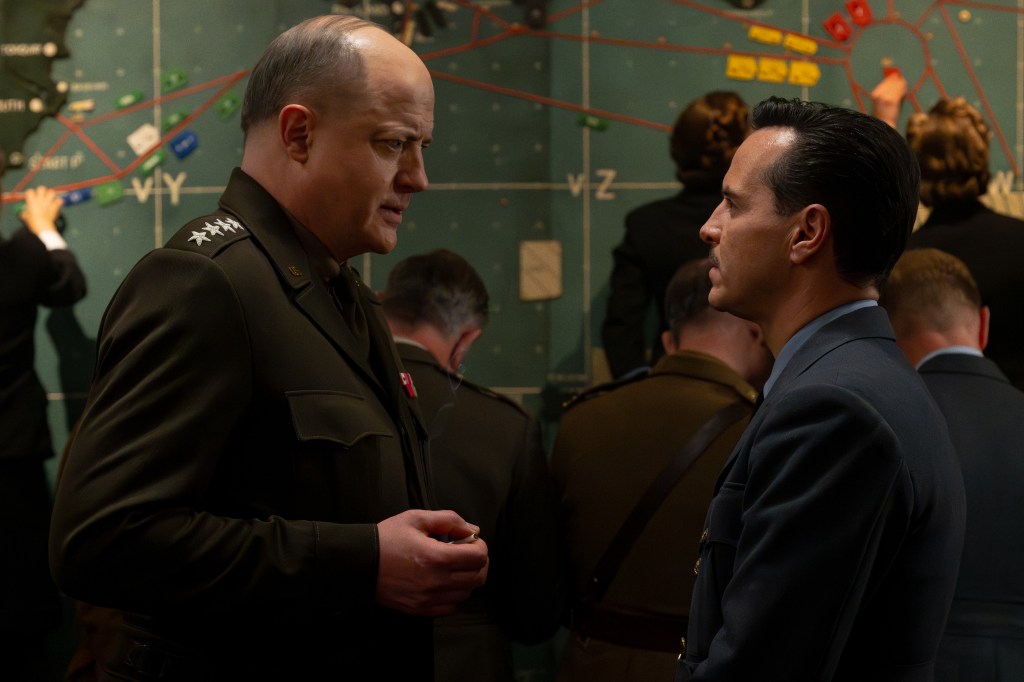
Rough Forecast for “Pressure” (2026)
There is a wonderful film buried inside Pressure, and it lasts about fifteen minutes. The history it draws on is irresistible, and almost no one knows it. In the seventy-two hours before D-Day, the largest seaborne invasion ever attempted hinged not on a general’s nerve but on a forecast. Group Captain James Stagg, a punctilious…
-
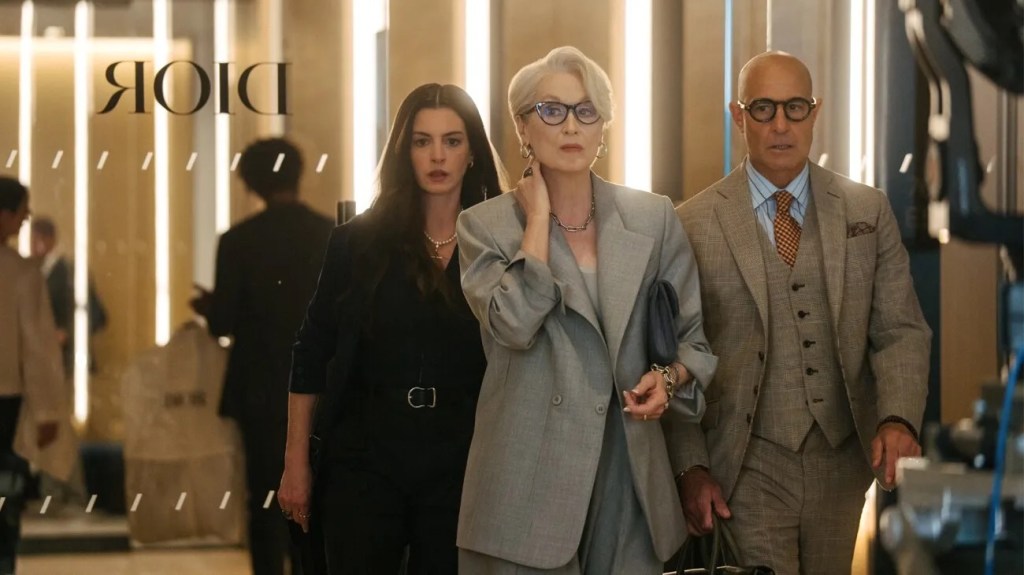
“The Devil Wears Prada 2” – A Legacy Sequel Done Right
There is a moment near the end of The Devil Wears Prada 2 — Miranda Priestly turns to Andy Sachs from the back of a car and says, quietly, “I just love working, don’t you? I love what I do and I feel I have a few more good years to do it.” Andy says…
-
“Lorne”: The Last Man in Show Business
I have loved Saturday Night Live for as long as I can remember loving anything on television. I came to it the way most people do, through reruns and clips and the slow accumulation of the cultural shorthand the show has been generating for half a century, and I have stayed with it through the…
-
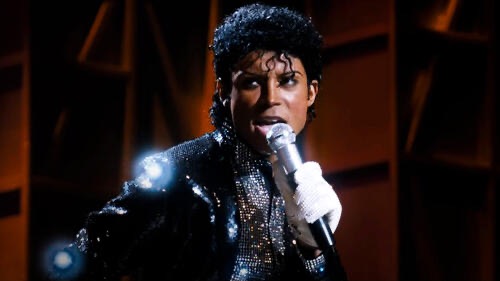
“Michael” (2026) is as confounding as it is toe-tapping
There is a particular kind of bad movie that earns the word confounding, and Michael, Antoine Fuqua’s long-gestating, twice-rewritten, $200-million biopic of Michael Jackson, is the rare specimen that genuinely deserves it. I walked away from the film certain I had hated it, and equally certain that two or three of its sequences belong in…
-

“Project Hail Mary” will Amaze! Amaze! Amaze!
There’s a particular kind of science fiction that trusts you. Not the kind that stops the movie every twenty minutes to hand you a glossy explainer, but the kind that assumes you’re smart enough to sit with a problem, follow a mind at work, and feel the wonder of genuine discovery. Project Hail Mary, directed…
-
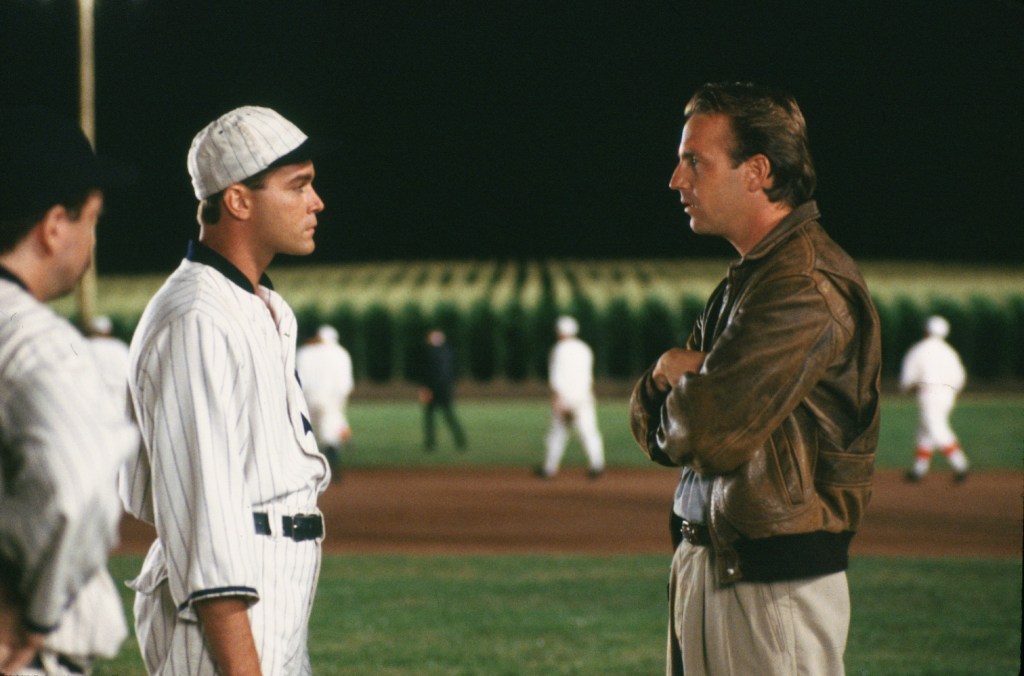
The Religion of Baseball in “Field of Dreams”
There is a moment near the end of Field of Dreams that undoes me completely, every single time. It is not the catch — though the catch will finish the job. It is Moonlight Graham walking off the field. Doc Graham has just stepped across the white chalk line to save young Karen Kinsella from…
-
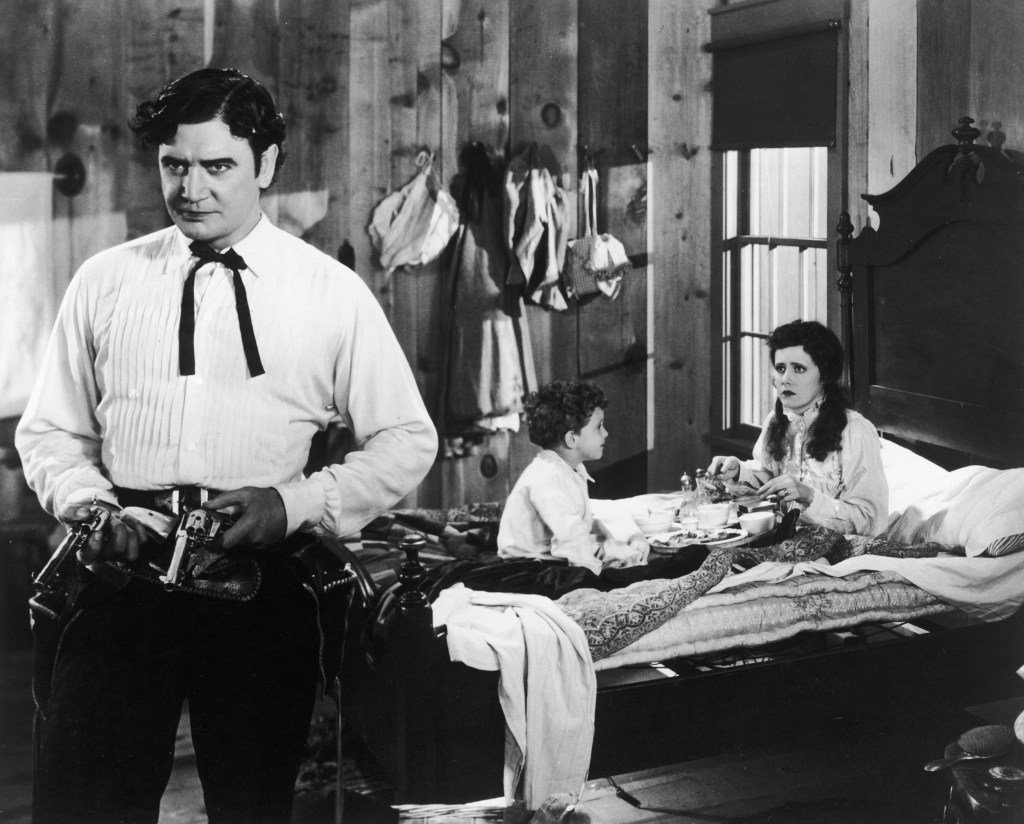
The Academy’s Century: “Cimarron” (1931)
In a year following All Quiet on the Western Front, it makes complete sense that Cimarron was the next Best Picture winner. Aside from some interesting performances, primarily by Richard Dix, and some truly remarkable riding and action sequences, I couldn’t help but feel that I was watching a prolonged episode of Bonanza. The story…
-
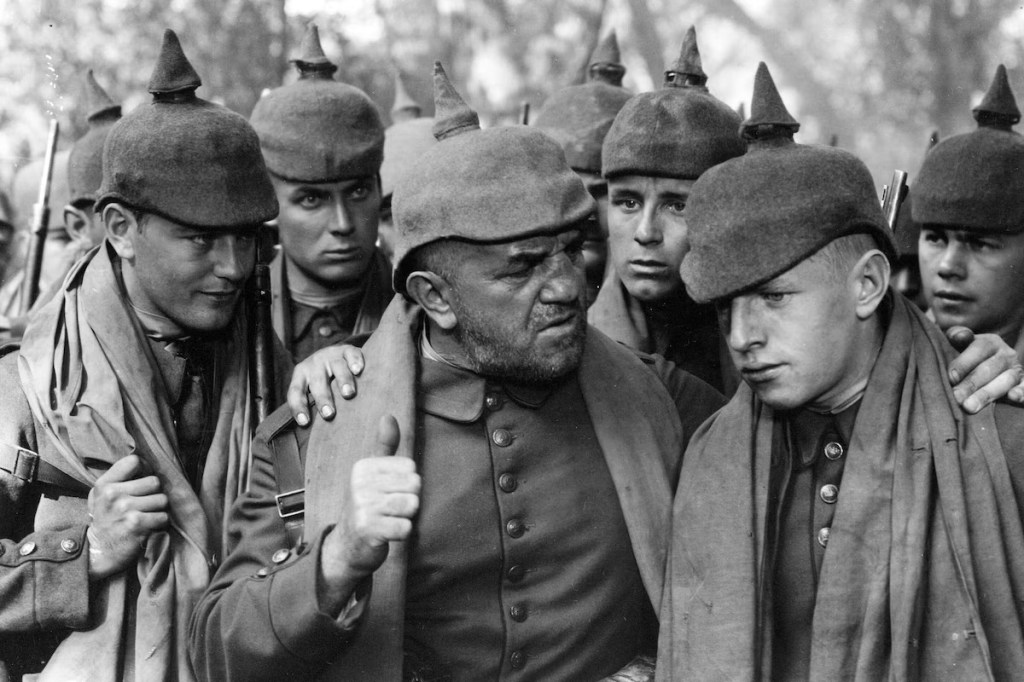
The Academy’s Century: “All Quiet on the Western Front” (1930)
To understand what All Quiet on the Western Front meant in 1930 — and what it still means — you have to understand the climate in which it arrived. The Academy Awards were, at that point, barely more than a novelty. The third ceremony, honoring films from 1929 and 1930, was a different beast from…

