Author: Grace Cogan
-
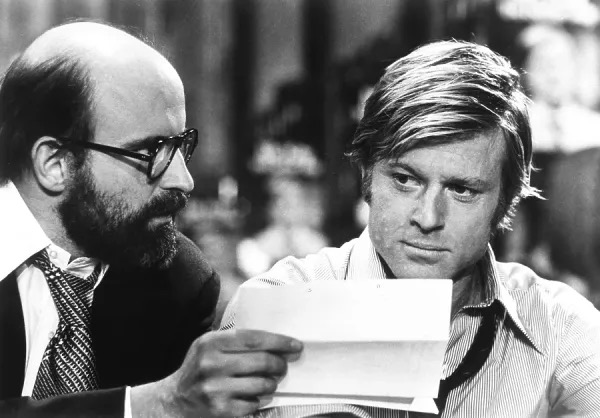
“The Candidate” (1972) asks American audiences “What do we do now?”
There is a scene about two-thirds of the way through The Candidate in which Bill McKay, California senatorial hopeful and reluctant celebrity, sits alone in the back of a moving car and rehearses the stump speech he has given a thousand times. He recites his positions on housing, healthcare, and the environment the way a…
-
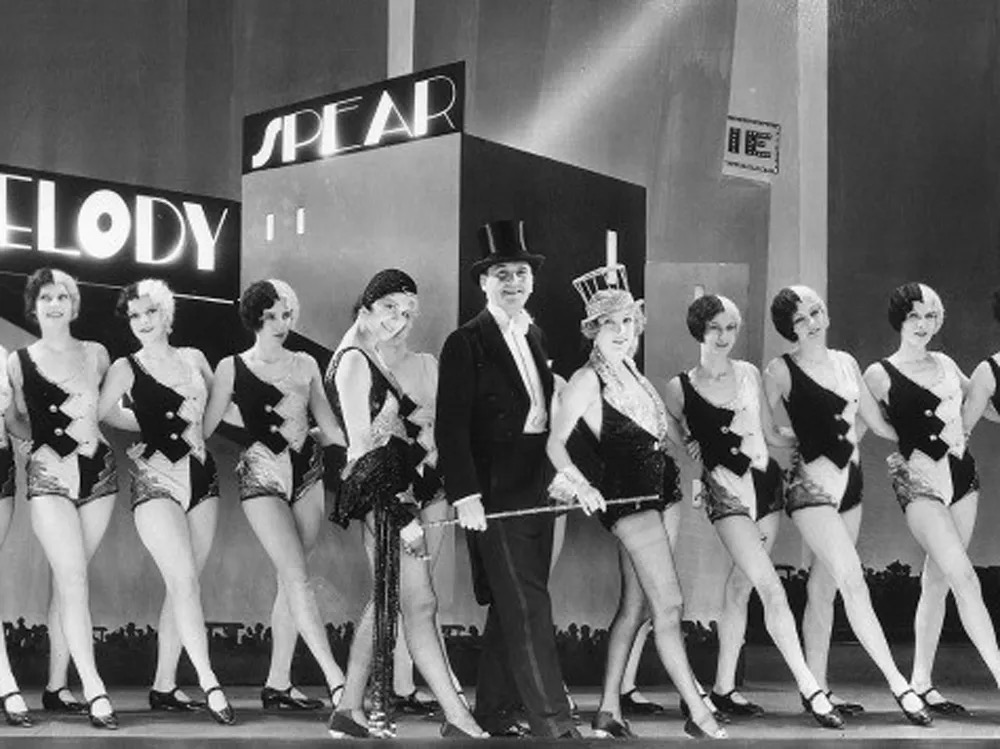
The Academy’s Century: “The Broadway Melody” (1929)
The second Academy Awards ceremony, held in April 1930, was a quieter, more perfunctory affair than even its already modest inaugural predecessor. The Academy was still working out what it was for, what it was rewarding, and why anyone should care. Somewhere in that institutional uncertainty, The Broadway Melody slipped through — the first sound…
-
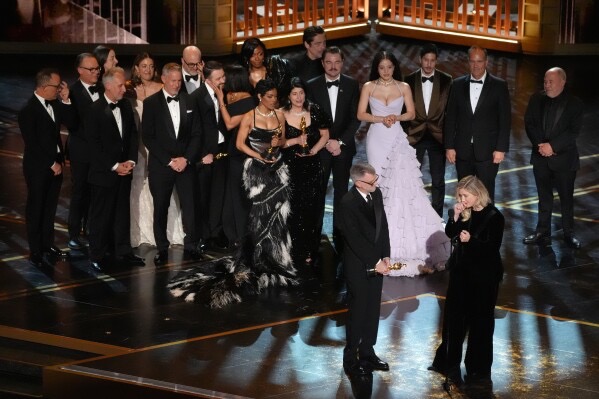
The 98th Academy Awards: On Cinema, History, and the Improbable Luck of Being Here
There is a version of this piece that opens with a complaint. A lament about the speeches getting cut off, about a bit that went nowhere, about Sean Penn winning an acting prize for playing a racist and not bothering to show up. That version exists. But I don’t think it is the right one,…
-
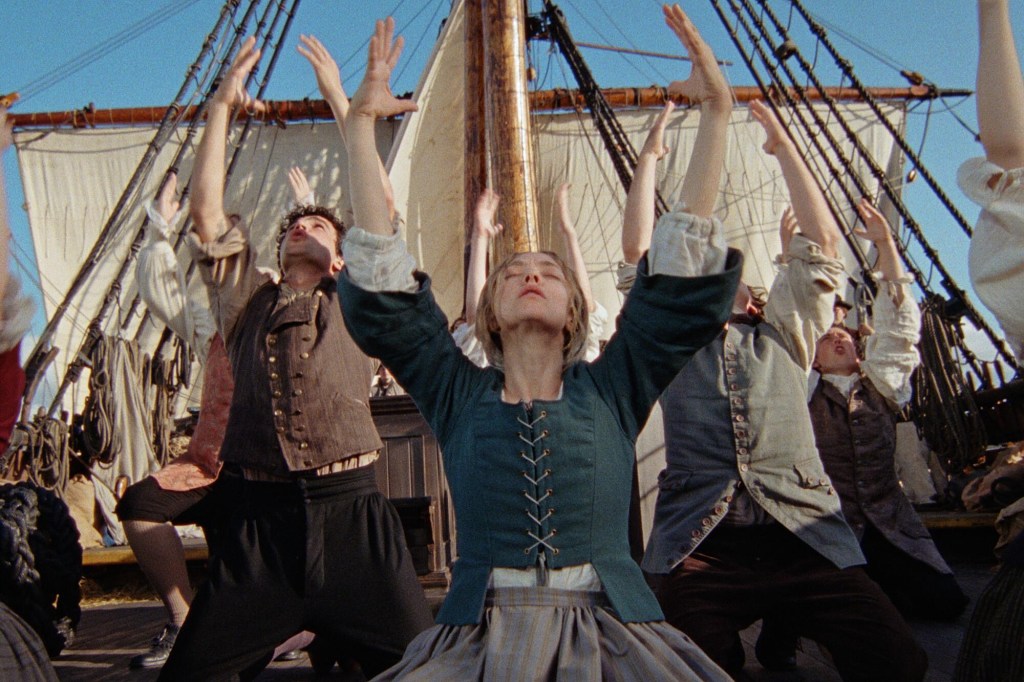
Shaking Into Song: “The Testament of Ann Lee” (2025)
There is a moment roughly midway through The Testament of Ann Lee when Amanda Seyfried, playing the titular role, locked in close-up, opens her mouth and sings. The camera does not cut away. It does not search the room for reaction shots or retreat to a respectful medium shot. It simply stays, for what feels…
-
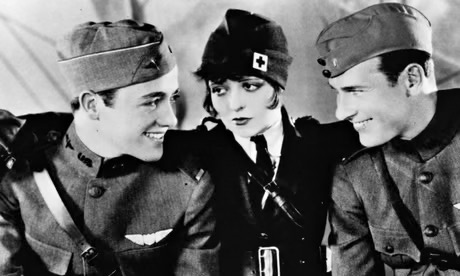
The Academy’s Century: “Wings” (1927)
There is a peculiar injustice that history has visited upon Wings. The film is well-documented, widely available, yet it lives in the shadow of a movie it technically predates. Wings premiered in New York in August 1927, two months before The Jazz Singer arrived in October like a thunderclap and rendered almost everything that preceded…
-
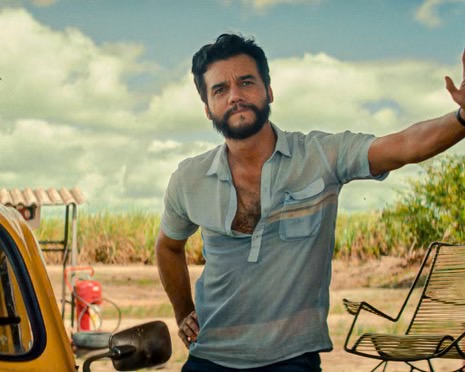
“The Secret Agent” is the Strangest Best Picture Nominee in Years
There is a genuinely great film buried somewhere inside The Secret Agent — you can feel it most acutely in its opening hour, which crackles with the kind of lean, paranoid energy that recalls the best American thrillers of the 1970s. The setup is nothing short of genius. Armando, played by Wagner Moura, is an…
-
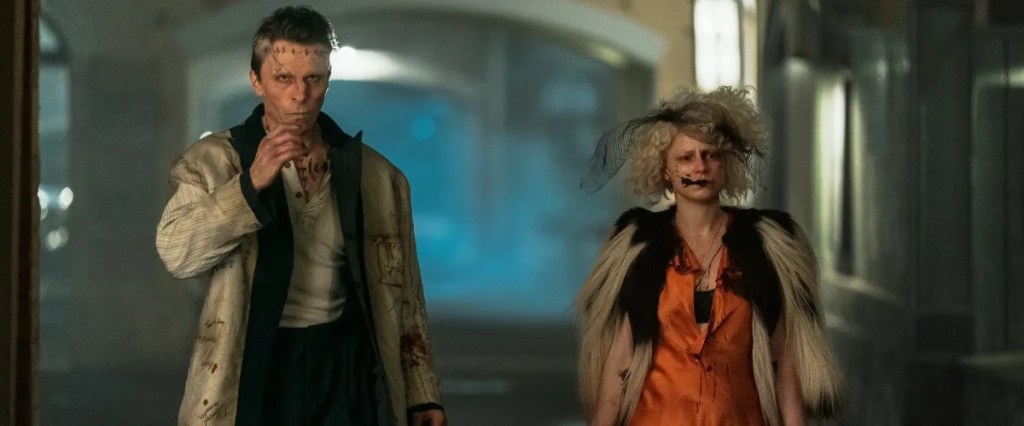
Here Comes “The Bride!”
There is a moment, fairly early in Maggie Gyllenhaal’s audacious and maddening The Bride!, where the film seems to dare you to keep up with it. Mary Shelley — speaking from the afterlife, played with electric, aristocratic menace by Jessie Buckley — leans into the camera and announces that she has a story she never…
-
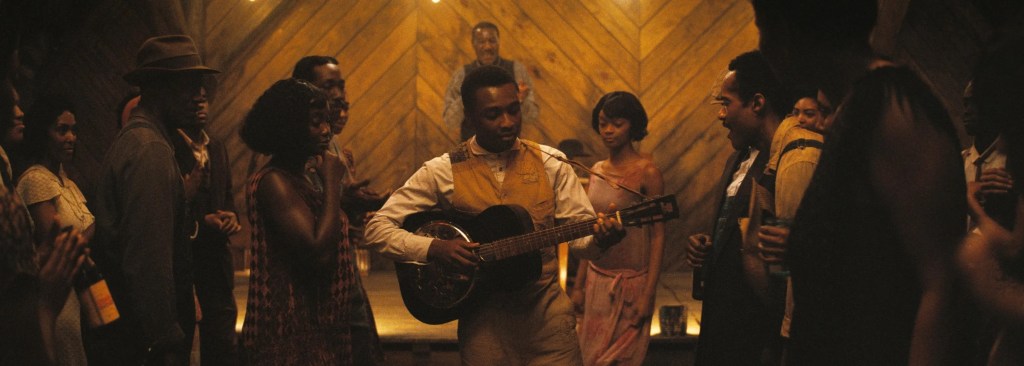
“Sinners” – A Juke Joint at the End of the World
Ryan Coogler’s Sinners arrives as something genuinely rare: an original studio film with the ambition, scale, and soul to match its budget. Set in the Mississippi Delta of 1932, it is at once a horror movie, a blues musical, a Jim Crow-era family drama, and a meditation on what happens when a culture creates something so transcendently…
-
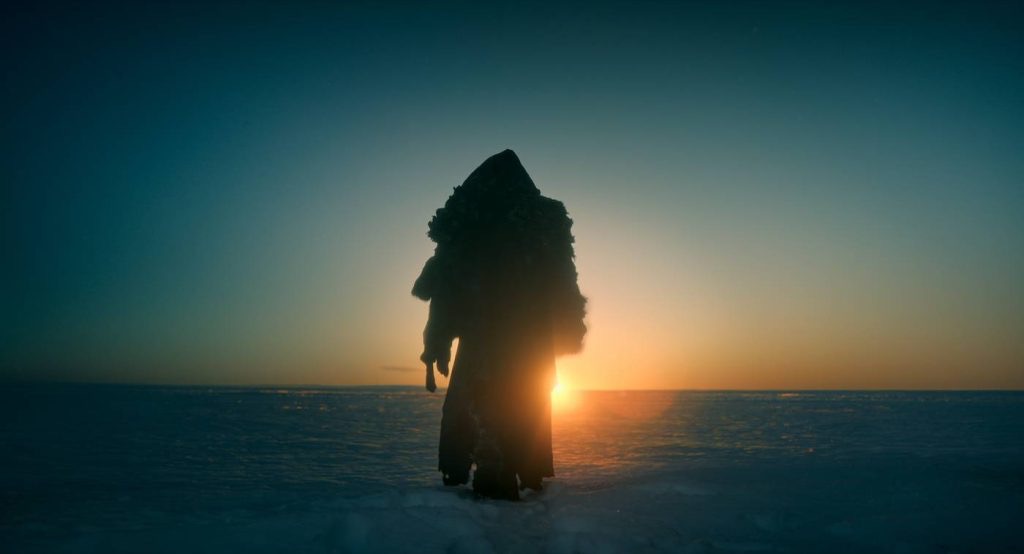
Horror Without Torches: Guillermo del Toros’s “Frankenstein” (2025)
In the summer of 1816, the sky over Europe dimmed. Mount Tambora had erupted the year before, scattering ash across the atmosphere and lowering global temperatures. The result was what contemporaries would call “the year without a summer”—a season of relentless rain, failed crops, and unseasonable cold. On the shores of Lake Geneva, confined indoors…
-
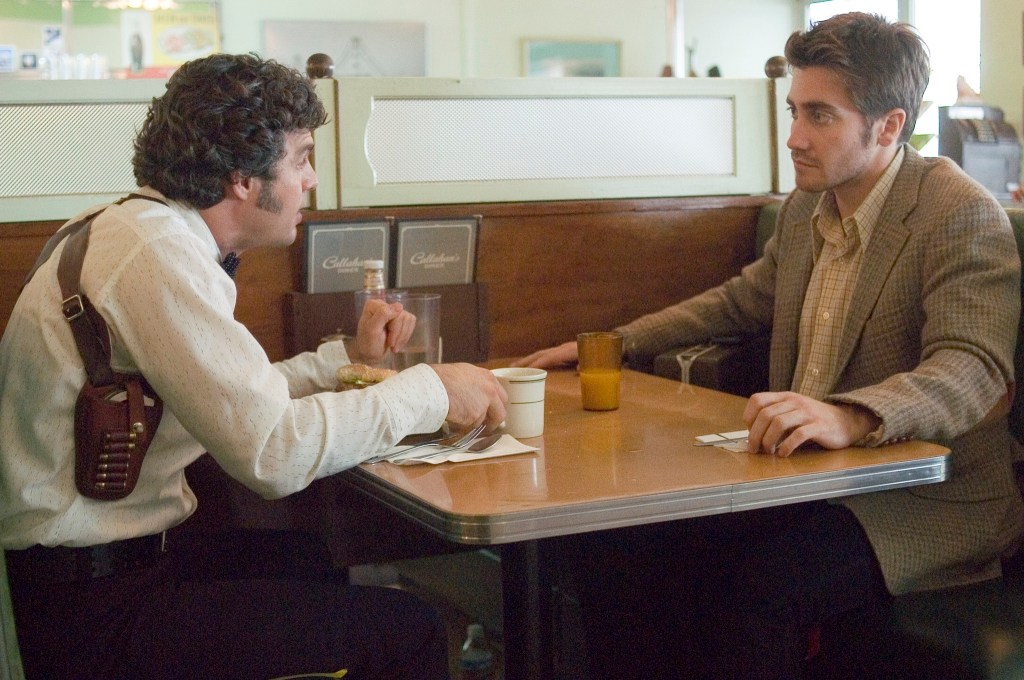
25 in 25 #19: “Zodiac” (2007)
Zodiac is a film that unfolds less like a conventional narrative than like a slow infection. It seeps in quietly, with one of the most disturbing opening scenes, before taking up permanent residence in the mind. On first encounter, it can even feel withholding—cool, procedural, resistant to the familiar beats we expect from true-crime cinema.…

