Author: Grace Cogan
-

Horror Without Torches: Guillermo del Toros’s “Frankenstein” (2025)
In the summer of 1816, the sky over Europe dimmed. Mount Tambora had erupted the year before, scattering ash across the atmosphere and lowering global temperatures. The result was what contemporaries would call “the year without a summer”—a season of relentless rain, failed crops, and unseasonable cold. On the shores of Lake Geneva, confined indoors…
-
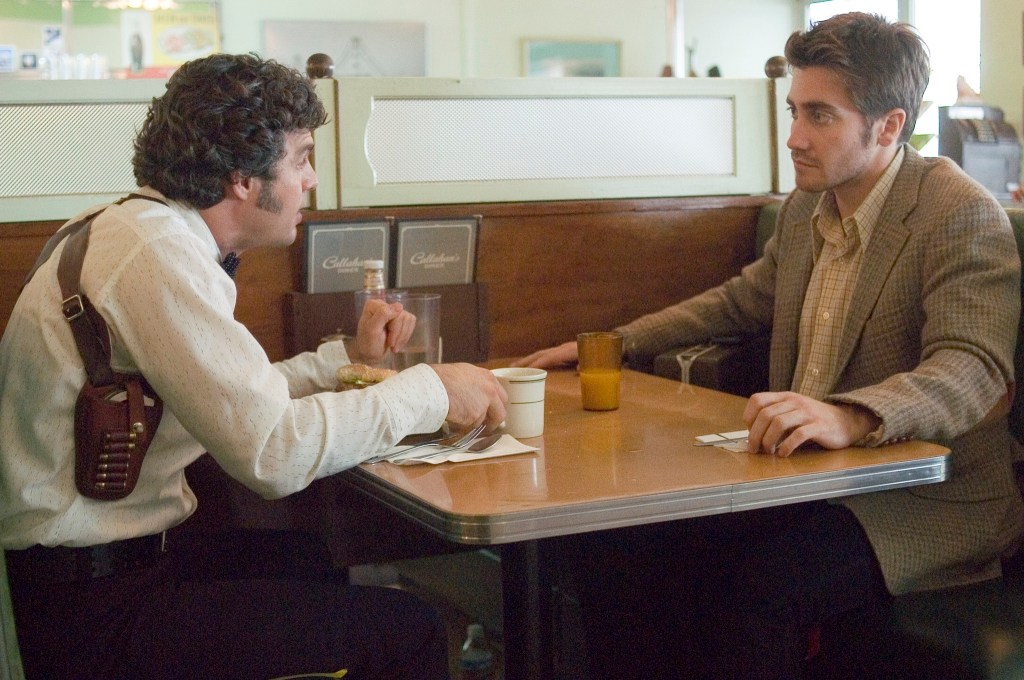
25 in 25 #19: “Zodiac” (2007)
Zodiac is a film that unfolds less like a conventional narrative than like a slow infection. It seeps in quietly, with one of the most disturbing opening scenes, before taking up permanent residence in the mind. On first encounter, it can even feel withholding—cool, procedural, resistant to the familiar beats we expect from true-crime cinema.…
-
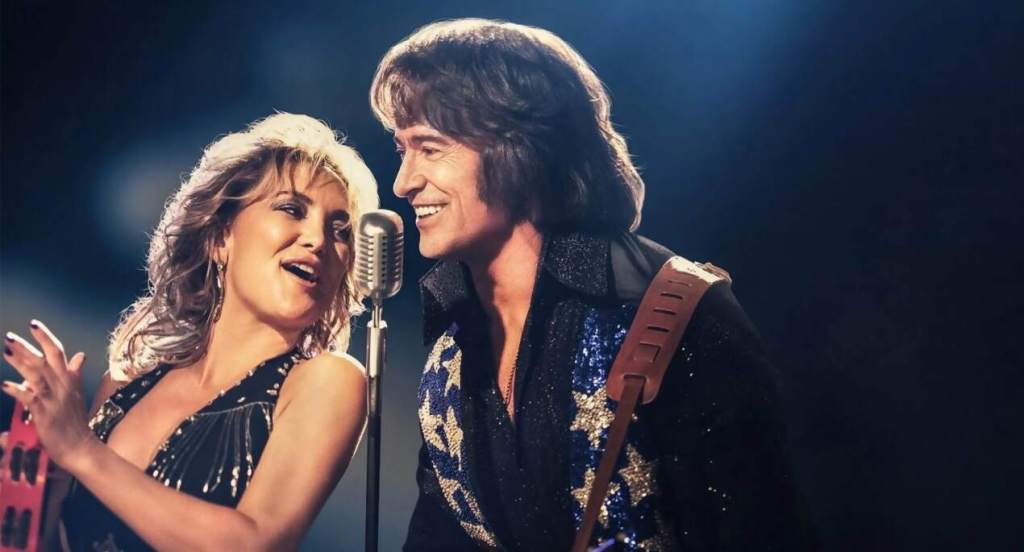
The Disappointment of “Song Sung Blue”
Pauline Kael’s reputation as a revered film critic rests not merely on taste but on nerve. Her refusal to bow before Citizen Kane—a film embalmed by decades of reverence—remains one of the most liberating gestures in American criticism. Kael reminds us that criticism is not a moral obligation to admire greatness but an honest reckoning with…
-
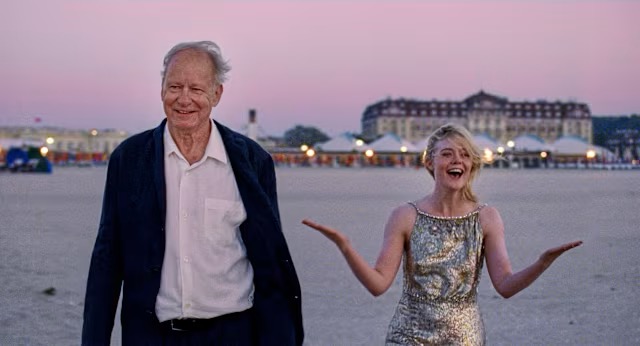
The Quiet Power of “Sentimental Value”
There is a particular stillness that defines Sentimental Value—a stillness that does not signal emptiness, but accumulation. This is a film made of layers: of time pressing down on space, of memory embedded in architecture, of emotion stored rather than expressed. From its opening moments, it announces itself as a work uninterested in urgency. Instead, it…
-

Between Grief and Fury: The Cinematic Crossroads of the 2026 Best Picture Race
In most years, the Best Picture race functions like a polite procession: a few respectable prestige dramas, a technical marvel or two, perhaps one crowd-pleasing juggernaut that reassures everyone the Academy still enjoys a healthy box-office narrative. These races feel less like debates than foregone conclusions, the outcome often legible months in advance. But once…
-

25 in ’25 #20: “Superbad” (2007)
There are comedies that succeed because they are funny, and then there are comedies that succeed because they understand something essential about the moment in which they appear. Superbad does both—and that dual achievement is precisely why it became an instant classic. Released in the summer of 2007, Superbad didn’t creep its way into cultural memory; it detonated. Almost…
-

25 in 25 #21: “The Royal Tenenbaums” (2001)
The Royal Tenenbaums opens with the quiet confidence of a film that already knows exactly what it wants to be. It greets the viewer like a well-loved book—familiar, a little odd, and marked by a dry, knowing humor. From the very first moments, with the instrumental “Hey Jude” drifting over the prologue, the film establishes its…
-
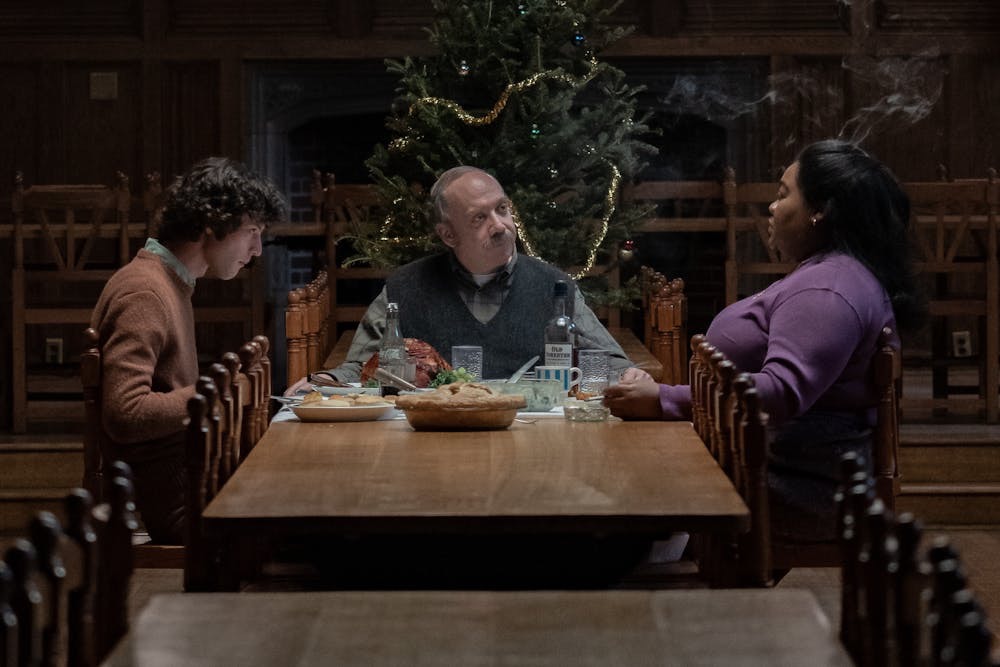
25 in ’25 #22: “The Holdovers” (2023)
Early in Alexander Payne’s 2023 film, The Holdovers, Paul Hunham informs his students—without a trace of consolation—that “life is like a henhouse ladder: shitty and short.” It is not merely a joke, or even a provocation, but a thesis statement: a bleak, funny distillation of the film’s worldview, in which suffering is unavoidable, dignity is hard-won,…
-
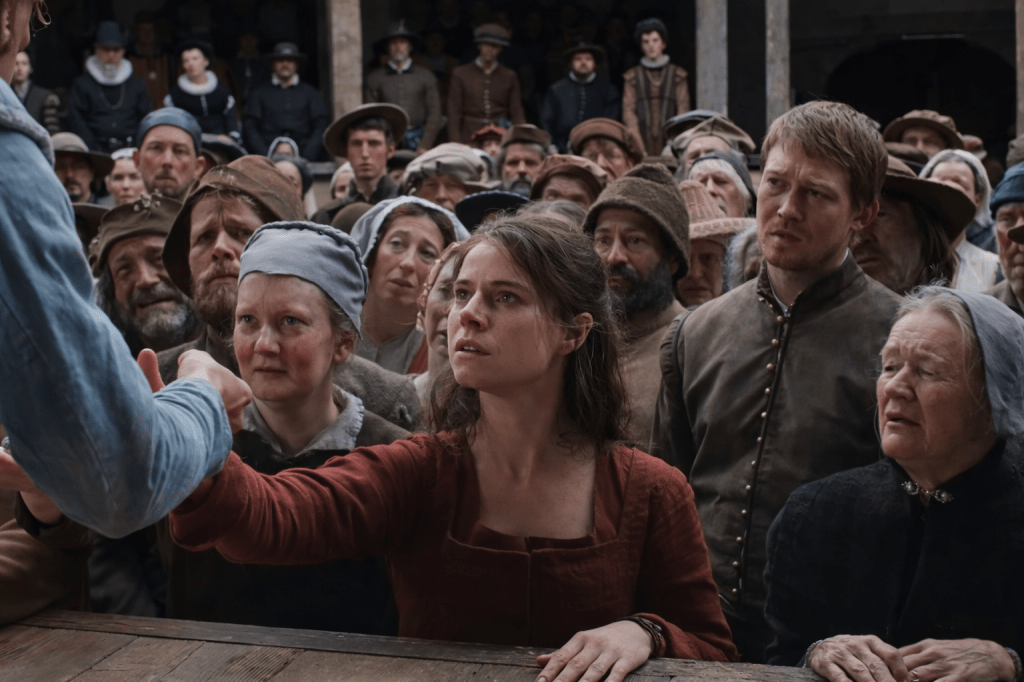
“Hamnet” – My Favorite Film of The Year
There are films that touch the heart, films that bruise it—and then there are films that ask you to live with your heart open. Hamnet is that rare, soul-deep experience. Watching it, boundaries between the modern audience and the people onscreen—whose real-life counterparts walked, loved, and mourned more than four hundred years ago—soften and blur, as if…
-

The Quiet Tragedy of “Train Dreams”
By the time the credits rolled, I felt as though I had watched an entire life — fragile, lonely, unrecorded — unfold and disappear. And I knew that Train Dreams, the new Netflix film based on the 2011 novella, would be one of my favorite films of the year. Not because it dazzles, but because it…
 Show Me Cinema