A Journey Through Cinema’s
PAST, PRESENT, and FUTURE

-
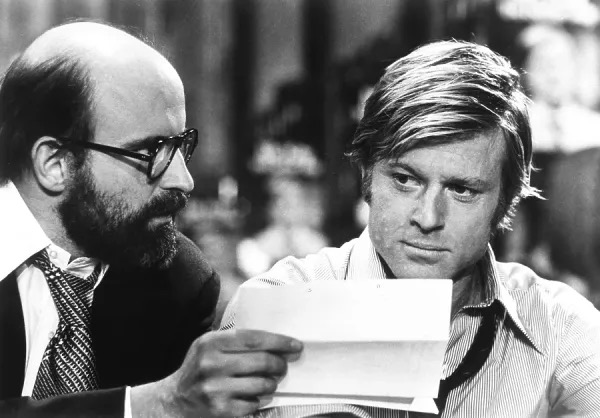
“The Candidate” (1972) asks American audiences “What do we do now?”
There is a scene about two-thirds of the way through The Candidate in which Bill McKay, California senatorial hopeful and reluctant celebrity, sits alone in the back of a moving car and rehearses the stump speech he has given a thousand times. He recites his positions on housing, healthcare, and the environment the way a…
-
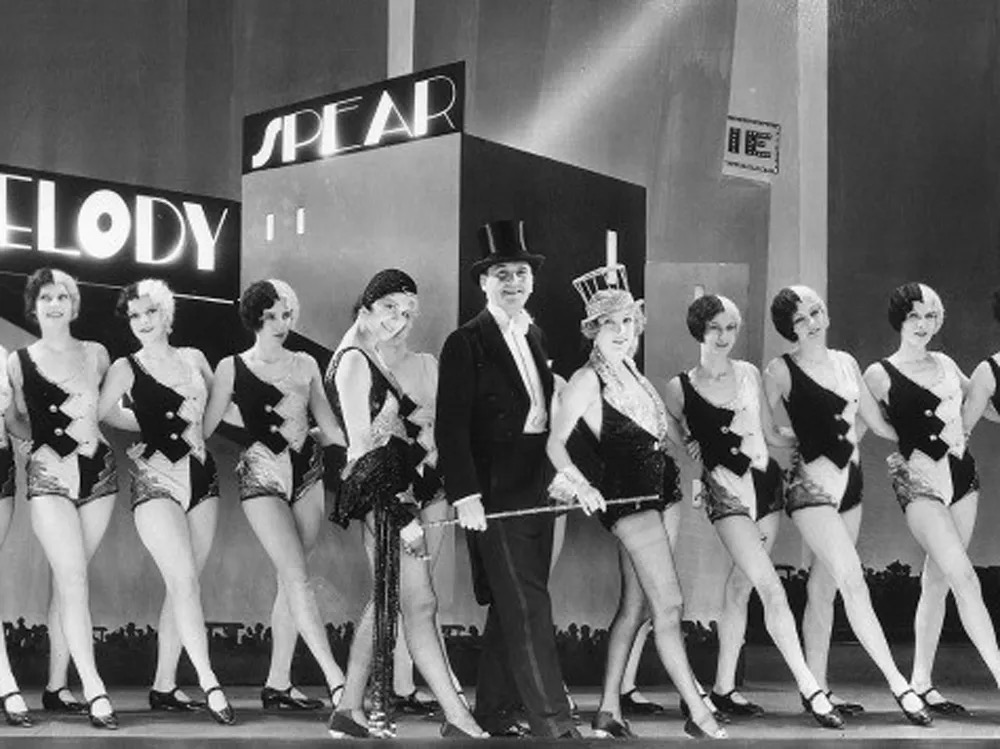
The Academy’s Century: “The Broadway Melody” (1929)
The second Academy Awards ceremony, held in April 1930, was a quieter, more perfunctory affair than even its already modest inaugural predecessor. The Academy was still working out what it was for, what it was rewarding, and why anyone should care. Somewhere in that institutional uncertainty, The Broadway Melody slipped through — the first sound…
-
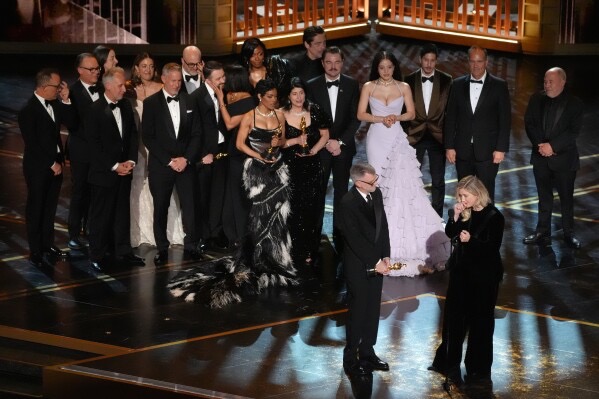
The 98th Academy Awards: On Cinema, History, and the Improbable Luck of Being Here
There is a version of this piece that opens with a complaint. A lament about the speeches getting cut off, about a bit that went nowhere, about Sean Penn winning an acting prize for playing a racist and not bothering to show up. That version exists. But I don’t think it is the right one,…
-
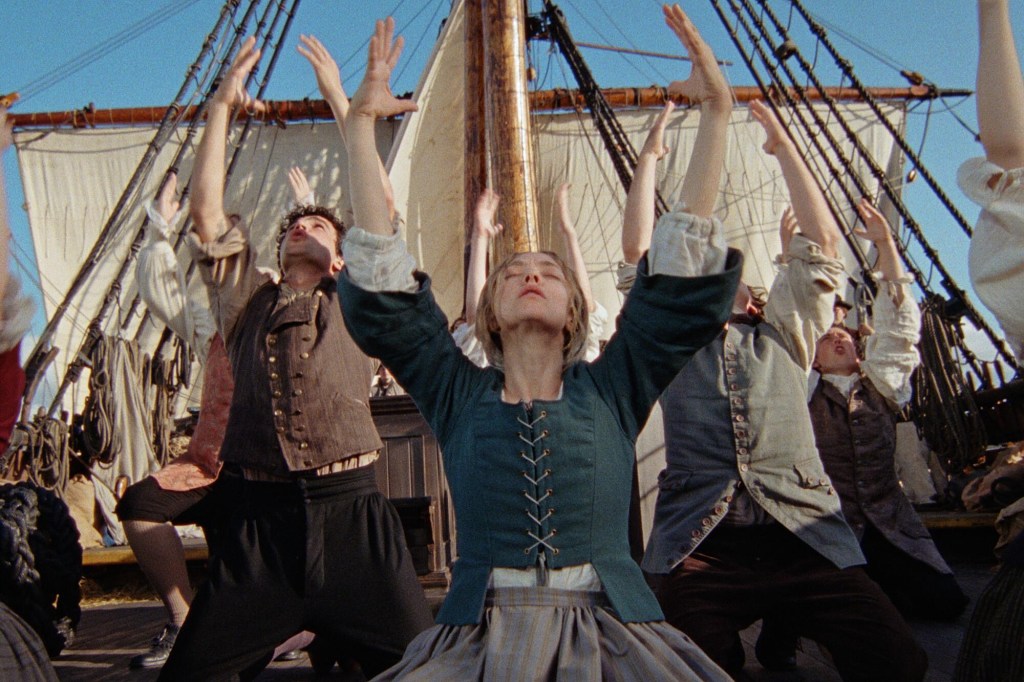
Shaking Into Song: “The Testament of Ann Lee” (2025)
There is a moment roughly midway through The Testament of Ann Lee when Amanda Seyfried, playing the titular role, locked in close-up, opens her mouth and sings. The camera does not cut away. It does not search the room for reaction shots or retreat to a respectful medium shot. It simply stays, for what feels…
-
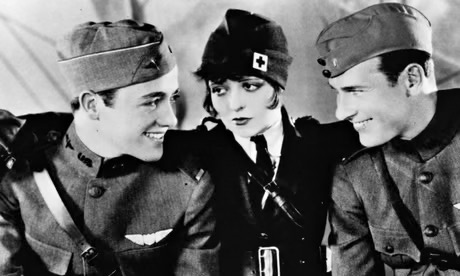
The Academy’s Century: “Wings” (1927)
There is a peculiar injustice that history has visited upon Wings. The film is well-documented, widely available, yet it lives in the shadow of a movie it technically predates. Wings premiered in New York in August 1927, two months before The Jazz Singer arrived in October like a thunderclap and rendered almost everything that preceded…
- 2024
- 2025
- 2026
- 25 in '25 (Countdown to the 25 Best Movies of the Century)
- Now Showing
- The 1970s
- The 1990s
- The Cogan Essentials: My Top 100 Movies
- The Oscars Journey
“Relating a person to the whole world: that is the power of cinema.”
Andrei Tarkovsky

